

How Long Do Different Roofing Materials Last in Texas?
Roofing materials come with expected lifespans, but Texas tests every one of them. Heat, hail, wind and heavy rain can shorten a roof's life well before the number on the package. Here is what to expect by material, and what you can control.
Schedule Your Roofing Inspection Today
Fill out the information below and we’ll reach out to complete your estimate as soon as possible!
Expected life vs real life
Manufacturers publish expected lifespans and warranties for their products. Those numbers assume correct installation, good ventilation and normal weather. In Texas, normal weather includes long stretches of intense sun, hail seasons and storms with strong wind.
That is why two roofs with the same material can age very differently. A shingle roof with a well vented attic, shaded slopes and no major hail may last near the top of its range. The same shingles on a hot, poorly vented attic in a hail-prone area may need replacement much sooner.
The ranges below are general industry estimates, not guarantees. Your roof's actual condition is what counts, and an inspection is the only reliable way to know it.
Typical lifespan by material
Three-tab asphalt shingles
Often in the range of 15 to 20 years. Thinner than architectural shingles and more exposed to wind and heat.
Architectural asphalt shingles
Often in the range of 20 to 30 years. Thicker, layered and more wind resistant. See asphalt shingle roofing.
Metal
Often 40 years or more, depending on the panel, coating and installation. See metal roofing.
Tile
Clay and concrete tile can last 50 years or more, while the underlayment beneath it usually needs attention sooner.
Wood shake
Often in the range of 20 to 30 years with maintenance. Heat, moisture and debris shorten it.
Low-slope and flat roofs
Membranes like TPO and EPDM vary widely by product and maintenance. Drainage is the deciding factor.
Each material, and what shortens its life in Texas
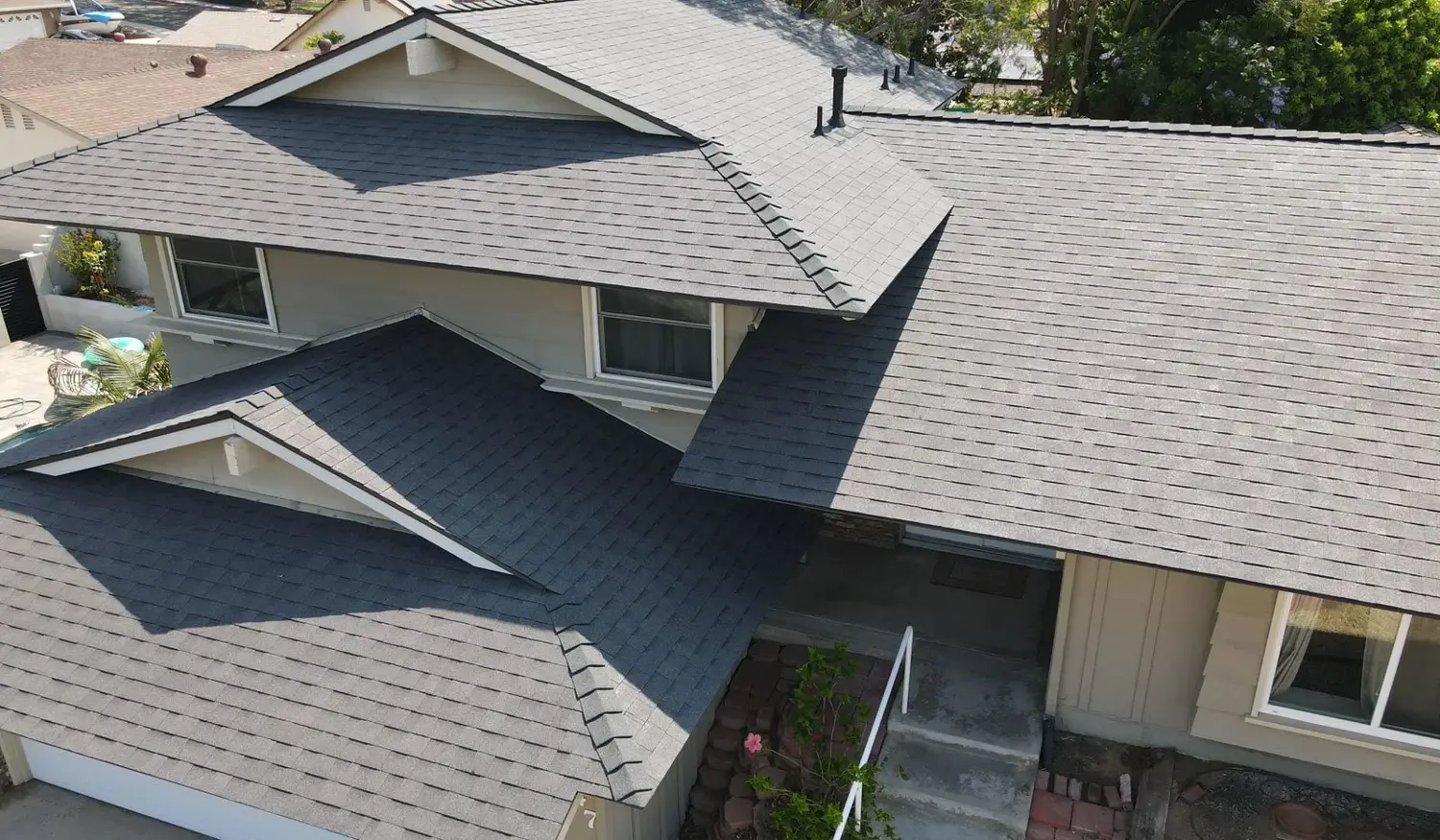
Asphalt shingles are the most common roof in Texas. Architectural shingles, the thicker layered type, generally outlast three-tab shingles and hold up better in wind. Impact resistant lines rated UL 2218 Class 4 resist hail better, which can help them reach more of their expected life in hail-prone areas.
Metal roofs last long when the panels, coating and fasteners are right for the home. Standing seam systems hide their fasteners, while exposed fastener panels need closer attention to screws and washers over time. Stone-coated metal combines a metal base with a granular surface that looks like shingles or tile.
Tile is heavy and very durable, but the underlayment beneath it does the waterproofing and usually wears out before the tiles. Cracked or slipped tiles also need replacing so water does not reach that layer. Wood shake gives a natural look, but it needs more care to resist moisture, rot and debris.
Low-slope and flat roofs, common on additions and commercial buildings, depend on the membrane and on drainage. Ponding water is the main enemy. Our guides on TPO vs EPDM roofing and flat roof drainage systems cover both.
Heat is the steady one. Constant sun dries out asphalt, weakens seal strips and speeds up granule loss. Our article on how Texas heat affects asphalt shingles explains how. A hot attic makes it worse by cooking the shingles from below.
Hail is the sudden one. A single storm can bruise shingles, crack tiles or dent metal. Even when the roof does not leak right away, the damage often speeds up aging. Read why roof damage may not cause an immediate leak for how that happens.
Wind, poor drainage and debris add up over time. Lifted shingles, clogged gutters and branches rubbing on the roof all take years off. So does installation: wrong nailing, reused flashing or missing ventilation can cut a roof's life no matter how good the material is.
How to get the most years out of your roof
Ventilate the attic
Balanced intake and exhaust lowers heat and moisture under the roof. See roof ventilation.
Inspect after major storms
Hail and wind damage is easier to fix, and to document, soon after the storm.
Keep gutters clear
Standing water and debris at the edges speed up rot and leaks.
Trim overhanging branches
Limbs scrape surfaces and drop debris that holds moisture.
Fix small problems early
A loose shingle or failed sealant is a quick repair. Left alone, it can become a leak and then a replacement.
Keep your records
Installation date, materials and repairs help with warranty requests, insurance and resale.
Signs your roof is near the end of its life
Shingles that curl, crack or are missing in several places.
Heavy granule loss in gutters and bald spots on the shingles.
Repeated leaks in different areas of the house.
Daylight or water stains on the attic deck.
Sagging areas, which can point to deck damage.
Rust, loose fasteners or separated seams on a metal roof.
Repair or replace an aging roof?
Damage is local
A few lifted shingles or one failed flashing on a roof with good years left is usually a repair.
Problems are spread out
Granule loss, curling and leaks across several slopes point toward replacement.
The deck is affected
Soft or sagging areas mean the problem has gone below the roof surface. Get it inspected soon.
Weigh the numbers
Our guide to roof repair vs replacement walks through the decision.
Age, insurance and replacement timing
Roof age matters beyond the roof itself. Insurers may look at it when they set premiums or decide how the roof is valued, and some policies treat older roofs on an actual cash value basis. Our guide on actual cash value vs replacement cost explains what that means for a claim. What is covered always depends on your policy and on your insurer's decision.
If your roof is near the end of its range, planning ahead helps. You get time to compare materials and estimates, and you avoid replacing it in a rush after a leak. See what happens if you wait too long to replace a roof and the best time of year to replace a roof in Texas.
GemSco is a family owned, fully licensed and insured roofing company and an elite contractor for Owens Corning and GAF, with more than 20 years of experience. We work on asphalt shingle, wood shake, metal, stone-coated, tile, low-slope and flat roofs. Book a roof inspection and we will document the condition with photos and give you a written estimate, or call (844) 980-5506.
Frequently Asked Questions
How long does a shingle roof last in Texas?
Architectural shingles are often expected to last in the range of 20 to 30 years and three-tab shingles less. In Texas, heat, hail and poor ventilation often put real life toward the lower end of those ranges. An inspection tells you where your roof actually stands.
Does a longer warranty mean the roof will last longer?
Not exactly. A warranty describes what the manufacturer or contractor covers and under what conditions. Real life depends on installation, ventilation, weather and maintenance. Read what the warranty covers, and keep your installation records in case you ever need to use it.
Which roofing material lasts the longest?
Tile and metal usually have the longest expected lifespans, followed by architectural shingles and wood shake. Longer life often comes with a higher upfront cost and different structural needs. The right material depends on your home, your budget and how long you plan to stay.
Can a hailstorm shorten the life of a new roof?
Yes. Hail can bruise shingles, crack tile or dent metal on a roof of any age. Some damage does not leak right away but speeds up wear. Having the roof inspected after a significant hailstorm lets you find and document damage while it is still fresh.
We’re Here to Help!
GemSco Roofing & Solar serves Houston, DFW, Austin, San Antonio and surrounding areas. We’re family owned and fully licensed and insured.