

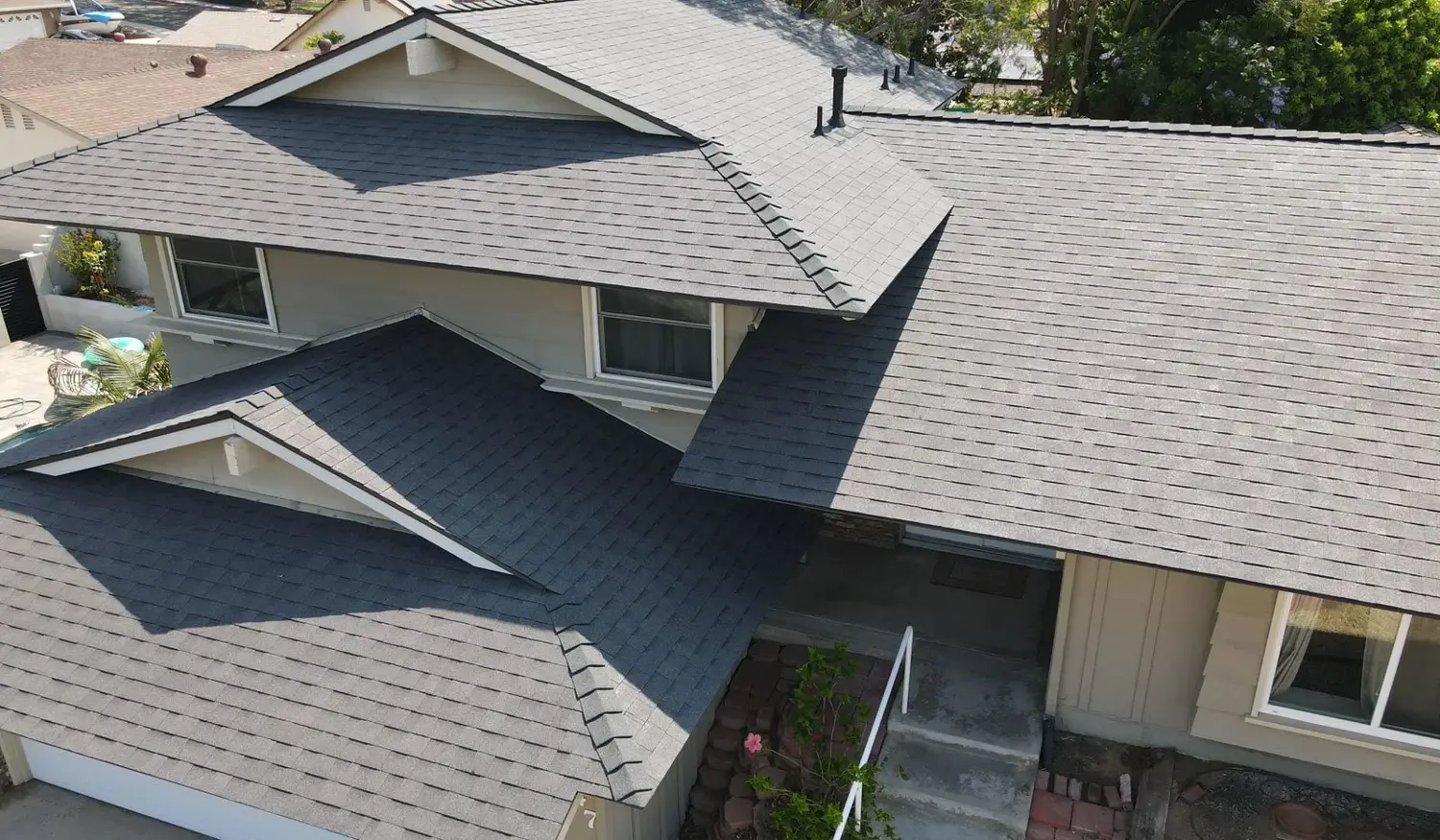
What Happens If You Wait Too Long to Replace an Aging Roof?
An aging roof rarely fails all at once. It fails in stages, and each stage makes the next repair bigger. Here is what waiting actually costs and the signs you need a new roof before it gets there.
Schedule Your Roofing Inspection Today
Fill out the information below and we’ll reach out to complete your estimate as soon as possible!
Why waiting feels safe
A roof that is not leaking feels like a roof that is fine. Replacement is a large expense, so it is natural to push it to next year. The problem is that most of the damage from an old roof happens out of sight: under the shingles, on the deck and in the attic. By the time a stain shows on the ceiling, water has usually been getting in for a while.
Asphalt shingle roofs usually last 20 to 30 years, depending on the product, ventilation and weather. Texas heat and storms push many toward the low end of that range. If your roof is in that window, the question is not whether it will need replacement, but how much damage it does before it gets it.
Waiting also narrows your options. A planned replacement lets you compare estimates, pick materials and choose your timing. A roof that fails in a storm forces quick decisions at the moment roofers are busiest and you are most stressed. The roof gets replaced either way; the difference is who sets the terms.
How an aging roof fails, stage by stage
Granules wash away
The ceramic granules that shield the asphalt from the sun wear off. Bald patches appear and gutters fill with grit.
Shingles harden and deform
Without that shield, the asphalt dries out. Shingles curl at the edges, cup in the middle or crack. See how Texas heat affects asphalt shingles.
Wind starts winning
Brittle shingles lose their seal and lift or tear off in storms that a younger roof would shrug off.
Water reaches the deck
Water gets under the shingles, past worn underlayment and into the wood. The deck darkens, softens and starts to rot.
The damage moves inside
Wet insulation stops insulating, drywall stains and sags, and mold can grow in the attic and walls.
The structure is affected
Long-term moisture can weaken rafters and sheathing. The roofline may sag, and the replacement now includes structural repair.
What waiting actually costs
Each stage adds a line to the eventual bill. A replacement done at stage two is mostly materials and labor for the roof itself. The same replacement done at stage five also includes new decking, insulation, drywall and possibly mold remediation. Water damage inside the house is also disruptive in a way a roof job is not.
Then there is the insurance side. Policies treat older roofs differently, and some settle roof claims at actual cash value, which accounts for depreciation, instead of replacement cost. What applies to you depends on your policy and your insurer's decision, so read your policy or ask your agent how it treats your roof. Damage from long-term wear and neglect is also a different category from sudden storm damage. Our roof insurance claims page explains the terms.
Repairs on a worn-out roof also buy less time each round. A patch on a young roof restores it. A patch on a roof at the end of its life fixes one spot while the rest keeps aging. Our guide to roof repair vs replacement helps you tell which situation you are in.
Signs you need a new roof soon
The roof is 20 years old or more and you do not know when it was last inspected.
Granules pile up in gutters or at downspout exits after normal rain.
Shingles are curling, cupping or cracked across several slopes, not just one spot.
Shingles have been lifting or blowing off in ordinary storms.
New leaks in different places, even after repairs.
Dark streaks on the attic deck, damp insulation or daylight through the boards.
A roofline that dips or decking that feels soft when walked on.
Older housing means more roofs at this stage
Some areas have a lot of roofs in this window. Half of the homes in Garland were built before 1978, and in Pasadena before 1977, according to the U.S. Census Bureau's American Community Survey 2020-2024. In Dallas the year is 1981. A house that age has likely had several roofs, and the condition of the deck under the current one depends on how long the last one was left in place.
The age of the house does not tell you the age of the roof. But it does tell you that the deck, flashing and ventilation have been through a lot, and that a full inspection is worth more than a look from the street.
Older houses also tend to have older ventilation. Attics built decades ago were often vented for a different roof, and many have been changed over the years by additions, new insulation or blocked soffits. Poor ventilation speeds up every stage described above, because trapped heat bakes the shingles from below. A replacement is the right moment to correct it. See our roof ventilation page.
What to do now
Get an inspection
Have a roofer check every slope, flashing, vents and the attic, with photos. A free estimate tells you where you stand.
Ask for both options
Get a written estimate for repair and one for replacement, so the comparison is on paper.
Protect the house meanwhile
If there is an active leak, deal with it now. Our emergency roof repair page explains what to do.
Plan the payment
Financing is available. Compare the rate, the term, the total cost and any prepayment penalties before you choose.
Keep a simple record
Note the date of any leak, stain or storm, with photos. It helps the inspector and any conversation with your insurance company.
Do not let the roof decide the timing for you
The good news is that an aging roof gives warnings. Granules in the gutters, a curled edge, a small stain in the attic: each one is a chance to plan instead of react. Paying attention to them is the cheapest roof maintenance there is.
A planned replacement happens on your schedule. A failed roof happens on the weather's. GemSco is family owned, fully licensed and insured, with more than 20 years of experience and elite contractor status with Owens Corning and GAF. Book an inspection and free estimate on our roof replacement page or call (844) 980-5506.
Frequently Asked Questions
How long can I wait to replace a roof that is not leaking?
It depends on its condition, not just its age. A roof with intact shingles and a dry deck may have years left. One with widespread curling, granule loss or soft spots is already letting the weather in. An inspection with photos is the way to know which one you have before deciding to wait.
Can an old roof cause mold?
Yes. When water gets past worn shingles and underlayment, it can soak the deck and attic insulation. In warm, humid conditions, that moisture can lead to mold on the wood and in the insulation. Poor attic ventilation makes it worse. Catching leaks early is the best way to prevent it.
Will insurance replace a roof that is just old?
Normal wear and age are generally treated differently from sudden damage like hail or wind, and how your policy handles an older roof depends on its terms. Coverage always depends on your policy and your insurer's decision. GemSco can inspect, document with photos and give you a written estimate.
Is it cheaper to keep repairing an old roof?
Each repair is cheaper than a replacement, but on a roof at the end of its life, repairs add up and leaks between them can damage the deck and interior. Comparing a written repair estimate with a written replacement estimate is the clearest way to see which makes sense for your roof.
We’re Here to Help!
GemSco Roofing & Solar serves Houston, DFW, Austin, San Antonio and surrounding areas. We’re family owned and fully licensed and insured.