

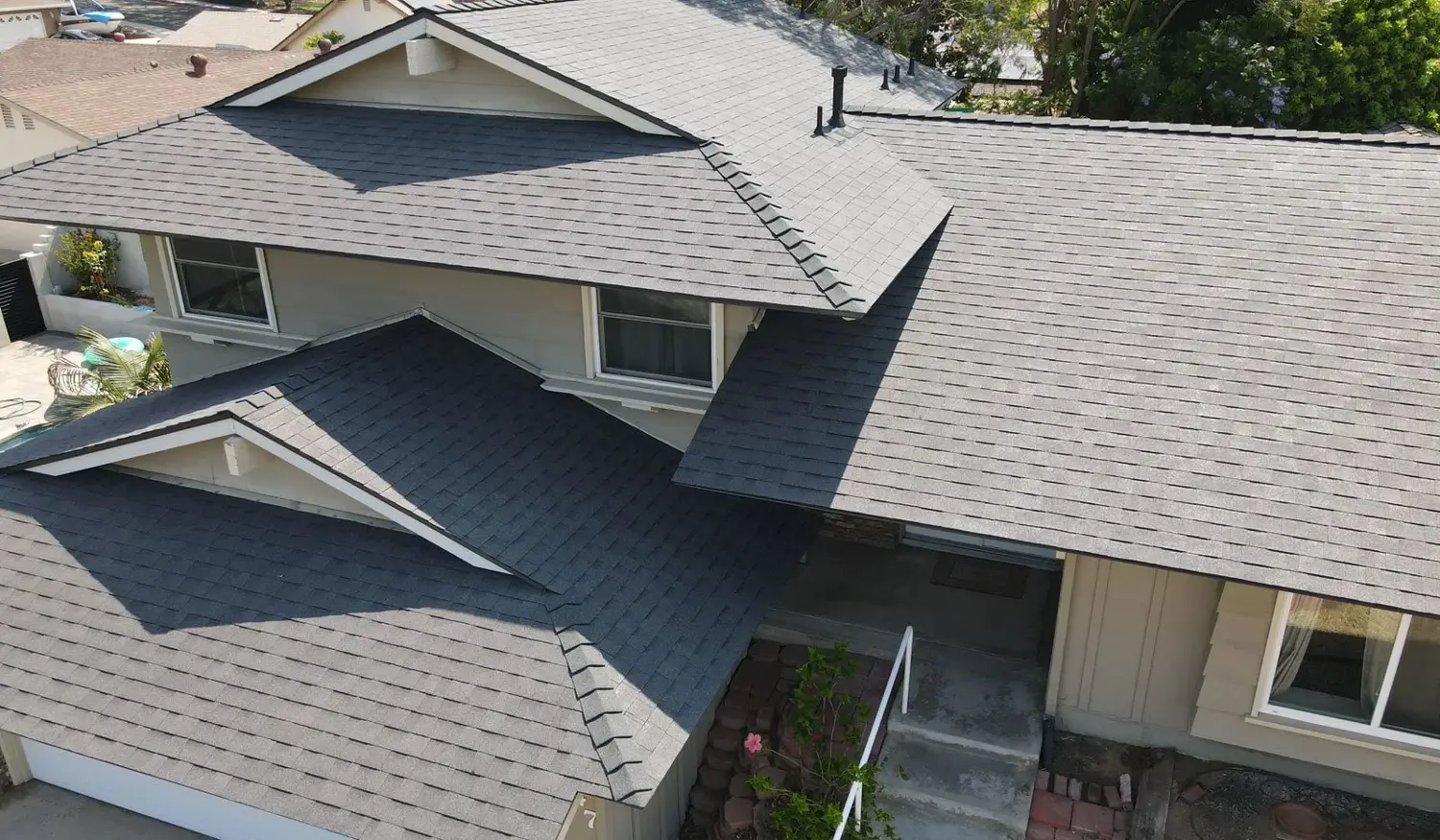
Should you replace your roof before installing solar? How to decide in Texas
If your roof will need replacing while the panels are still producing, replace it first or at the same time. If it is young and sound, you usually do not need to. The deciding number is not the roof's age, it is how many years it has left.
Schedule Your Roofing Inspection Today
Fill out the information below and we’ll reach out to complete your estimate as soon as possible!
The short answer: match the roof's remaining life to the panels
Solar panels are a long-term tenant on your roof. NREL notes there is no fixed end date for a panel's productive life and reports a median output loss of about 0.5% per year, which can run higher in hot climates and on rooftop systems. In other words, a working array keeps making power for decades.
Your shingles do not get the same deal. Every year of Texas sun, hail and wind takes some life out of them. If the roof gives out first, the panels, rails and wiring have to come off before anyone can re-roof, then go back on afterward.
That is why ENERGY STAR advises that if your roof needs renovations, it makes sense to replace it before installing solar panels so you avoid removing and reinstalling them later.
So the real question is simple: will this roof still be sound when the panels are still producing? If the honest answer is no, the roof goes first.
What the age rules of thumb say (and why they disagree)
Owens Corning
Its solar guidance says an asphalt shingle roof should be 10 years old or less and in good condition before panels go on.
EnergySage
Suggests that if your asphalt roof is over 10 years old, you should probably replace it before going solar.
ConsumerAffairs
Puts the line higher, at asphalt roofs more than 15 to 20 years old or showing significant wear.
Why they differ
Age is a stand-in for condition. A 9-year-old roof that took a bad hailstorm can be worse off than a 14-year-old roof that never did.
Why a Texas roof can be older than its birthday
Texas is hard on shingles. Long summers bake the asphalt and dry out the granules, which is covered in how Texas heat affects asphalt shingles. Hail bruises the mat even when nothing looks broken from the ground.
Material matters too. A metal or tile roof usually has a much longer service life than asphalt, so the age rules above are mostly about shingles. Our guide on how long roofing materials last in Texas breaks that down by type.
The takeaway: do not decide from the year on your closing papers. Decide from what the roof looks like up close today.
How to check your roof before you sign a solar contract
Find the install year
Look in your closing documents, the seller's disclosure, permit records or old receipts. If nobody knows, assume it is older than you hope.
Walk the yard with binoculars
Look for missing or curled shingles, bare spots where granules are gone, and lifted edges on the side where panels would go.
Check the gutters and downspouts
Piles of granules at the downspout outlets are a sign the shingles are wearing out.
Go into the attic on a sunny day
Daylight through the boards, water stains or soft, dark wood are red flags. These signs of rotted roof decking explain what to look for.
Get a written roof inspection
Ask for photos and an estimate of remaining life, not just a pass or fail. A roof inspection is far easier before the panels go on than after.
Ask the solar installer the same question
Ask what they found, how they attach to your roof type and who is responsible if a mount leaks.
What changes once panels are on the roof
Every rail is held down by mounts that go through the shingles into the structure. Each one is a penetration that has to be flashed and sealed. A good install keeps water out, but it adds more places to watch, the same way pipe boots and vents do.
Panels also hide the roof. Small problems under the array, like a cracked shingle or a lifted tab, are hard to spot and harder to reach. Repairs in that area usually mean taking some panels off first.
Warranties get more complicated. Your shingle warranty, the installer's workmanship warranty and the panel warranty can each have their own rules about who can work on the roof. Read how roofing warranties work and ask both contractors how their coverage handles the other one's work.
Signs you should re-roof first
Your asphalt roof is past its midlife, or you do not know how old it is.
The roof has had storm damage that was never fully repaired.
You have had leaks, even ones that were patched.
Shingles are curling, cracking or shedding granules on the side that faces the sun.
The inspection found soft decking or failing flashing.
You plan to stay in the home long enough to use the panels for many years.
If your roof is young and sound: what to confirm anyway
Ask how the mounts are flashed
Get the attachment method in writing for your roof type. Shingle, metal and tile roofs each need a different mount and a different way to keep water out.
Fix small problems first
A loose shingle, a cracked pipe boot or worn flashing is a quick repair today. Under a panel, the same fix means taking part of the array off.
Photograph the roof before install
Take wide and close-up photos of every slope the panels will cover. If a leak shows up later, you have a record of how the roof looked before.
Keep a path for future repairs
Ask the installer to leave access gaps where possible, so a roofer can reach valleys, vents and edges without removing a full row.
Know who to call for what
Write down who handles a leak at a mount, who handles a panel fault and who handles the roof itself.
If your roof is due anyway: do both in one project
When the roof is close to the end, the cleanest path is to replace it first and install solar on the new roof. The roofer and the solar crew can plan the layout, the mounts and the flashing together, and the panels start their life on a roof that should last as long as they do.
If you are unsure whether you need a full replacement or just a repair, this repair vs replacement guide helps you frame it before you talk to either contractor.
If you already have panels and the roof is failing, they can be removed, stored and put back after the re-roof. That is what solar panel removal and reinstallation covers. Plan it as part of the roofing job, not a surprise at the end.
One note on taxes. The IRS Form 5695 instructions say the residential clean energy credit cannot be claimed for expenditures made after December 31, 2025. If someone tells you the roof qualifies for that credit on a new install today, ask them to show you the current IRS rule in writing.
Frequently Asked Questions
How old is too old for a roof before installing solar?
There is no single cutoff. Owens Corning suggests an asphalt roof 10 years old or less and in good condition, while other sources stretch that to 15 or 20 years. What matters more is condition: storm damage, past leaks and worn shingles can make a younger roof the wrong base for panels. A written inspection with photos is the best way to decide.
Do solar panels damage your roof?
Panels are attached with mounts that go through the shingles, so each mount is a penetration that must be flashed and sealed correctly. A well-done install keeps water out. Problems usually come from poor flashing, an aging roof under the array, or repairs that are hard to reach because panels are in the way.
Can you replace a roof with solar panels already on it?
Yes. The panels, rails and mounts are taken off and stored, the roof is replaced, and the system is reinstalled. It adds time and coordination to the roofing job, so plan it up front and confirm who handles the electrical reconnection and the warranties.
Should I get a roof inspection before going solar?
Yes. Ask for a written inspection with photos and an estimate of the roof's remaining life before you sign a solar contract. It tells you whether to install on the current roof, repair first, or replace first, and it gives you a record of the roof's condition before any mounts go in.
We’re Here to Help!
GemSco Roofing & Solar serves Houston, DFW, Austin, San Antonio and surrounding areas. We’re family owned and fully licensed and insured.