

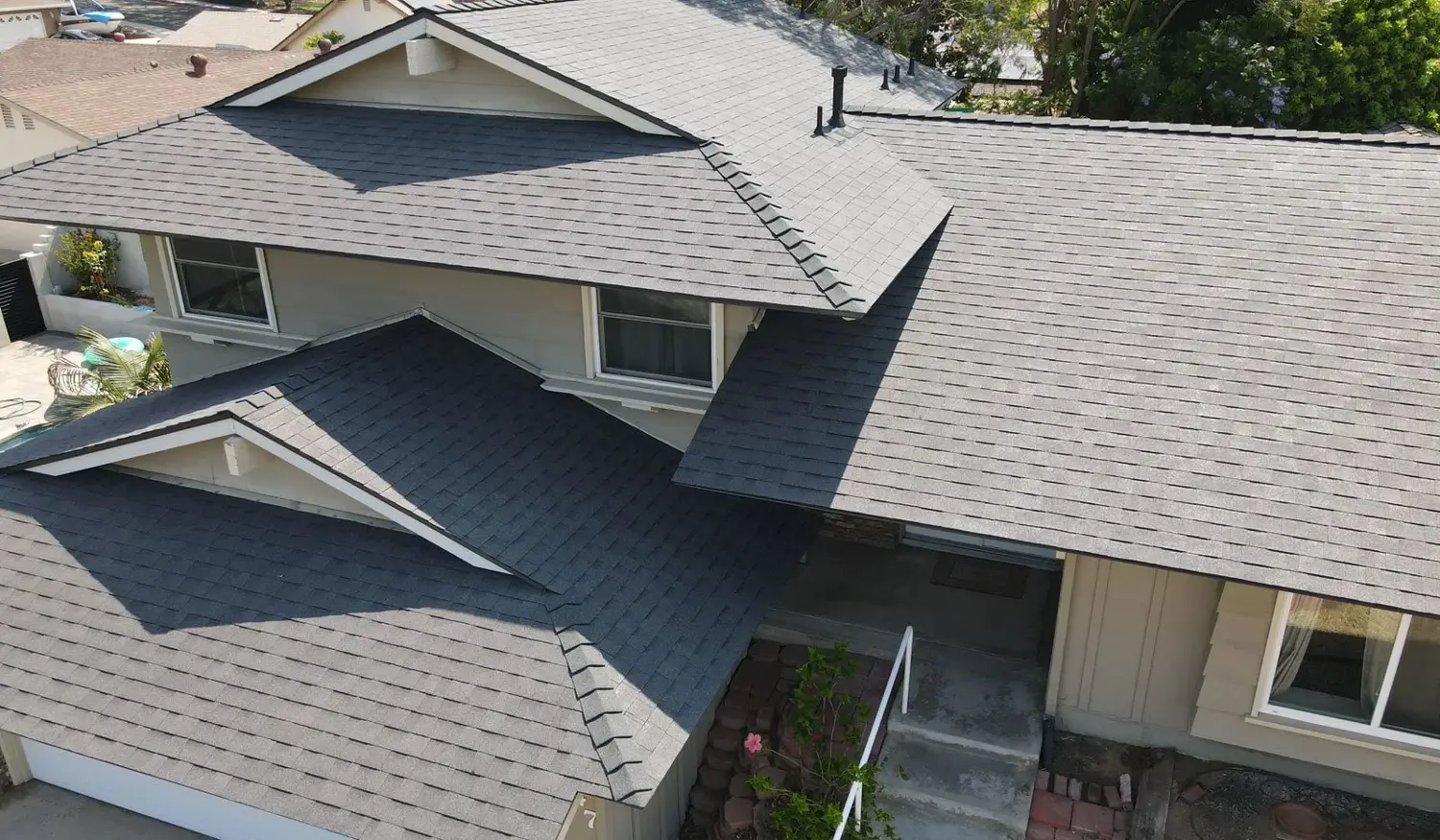
When is hail season in Texas? The riskiest months and how to get your roof ready
Texas hail season runs mainly from March through May, with April and May the riskiest months. There is a smaller second peak in the fall, and hail can fall in any month, so the real question is not when the season starts but whether your roof is ready for it.
Schedule Your Roofing Inspection Today
Fill out the information below and we’ll reach out to complete your estimate as soon as possible!
The short answer: spring first, fall second
State climatologist John Nielsen-Gammon told the Texas Observer that hail can happen any time of year in Texas, with a peak in spring and a secondary peak in fall. The same piece cites NOAA data showing April as the month with the most hail damage in the state.
The timing shifts a little by region. In Central Texas, forecasters at KXAN put the peak in early May. Farther north, the issue is size more than timing: North Texas gets more large hail than the rest of the state, as you will see below.
So if you think of hail season as "spring," you are mostly right. The mistake is thinking the rest of the year is safe. Some of the largest stones recorded near Texas cities fell in September, October and even January.
Texas hail through the year
December to February: quiet, not zero
Severe hail is rare nationwide in winter, but it can occur at any time of year. Houston's largest stone of the last decade fell in January.
March to May: the main season
This is when warm, humid Gulf air meets strong storm systems. April leads in damage, and early May is the Central Texas peak.
June to August: fewer big storms
Hail still happens, but summer storms tend to be more scattered. Wind and heavy rain become the bigger roof threats.
September to November: the second bump
A smaller fall peak arrives as fronts start pushing south again. Damage from these storms often goes unnoticed until the next spring.
How often hail hits near five Texas metros
Hail reports in the NOAA Storm Prediction Center severe weather database, counted within 10 miles of each city's center from 2015 to 2024, show how uneven the risk is. Fort Worth logged 143 reports, San Antonio 136, Austin 91, Dallas 58 and Houston 40.
Large hail, 1.75 inches or more, tells a sharper story in that same SPC data: 48 reports near San Antonio, 31 near Fort Worth, 30 near Austin, 10 near Dallas and 9 near Houston. The biggest stones were 4.5 inches near San Antonio in April 2016 and 3 inches near Austin in September 2023.
Two cautions. Reports depend on someone seeing and sending them, and the Southern Climate Impacts Planning Program notes the database is likely incomplete. It also found North Texas had the highest frequency of large hail from 1986 to 2015. A low count does not mean your street is safe, only that fewer storms were reported there.
What size hail is a roof problem
The National Weather Service calls hail severe at 1 inch, about the size of a quarter. A golf ball is 1.75 inches. Pea-size hail rarely hurts a sound roof, but quarter-size and up is when you should go look.
Size is not the only factor. Wind pushes hail sideways into one slope, older shingles crack more easily than new ones, and soft metals like vents and gutters dent first. Those dents are often the easiest clue from the ground. Our guide to spotting hail damage on asphalt shingles shows what bruises and granule loss look like up close.
Before spring: a checklist for February and March
Read your wind and hail deductible
A TDI insurance tip says a common deductible is 2% for wind or hail and 1% for other damage, figured on your home's insured value. Know your number before a storm, not after. Our post on how a roof deductible works walks through the math.
Take baseline photos of your roof
Shoot each slope, the gutters, vents and skylights from the ground or a window. Date-stamped photos make it far easier to show what changed after a storm.
Clear gutters and trim limbs
Clogged gutters back water under the edge during a hailstorm's downpour, and limbs over the roof become projectiles in high wind. See tree limbs and roof damage.
Fix small problems now
A lifted shingle or a cracked pipe boot is a small repair in February and a ceiling stain in April. A roof inspection before the season catches these.
Pick your contractor before you need one
After a big storm, door knockers arrive within days. Choosing a licensed, insured roofer ahead of time means you are not deciding in a hurry.
After a hailstorm: the first 48 hours
Write down the date and time of the storm and the largest hail you saw. Your claim will ask for a date of loss.
Photograph the hail itself next to a coin or ruler, then the roof, gutters, siding, windows and cars. Our list of photos to take after storm damage covers every angle.
Make only temporary repairs, like a tarp or covering a broken window. The Texas Department of Insurance advises holding off on permanent repairs until an adjuster sees the damage.
File with your insurer as soon as you can if you see damage. TDI says to keep damaged items until your insurer says you can throw them out.
Do not sign a contract with blank spaces, and walk away from anyone offering to cover your deductible. TDI notes that is illegal in Texas. Read what to check before signing after a storm.
Stay off the roof. Wet, hail-covered shingles are slick, and a ground check plus a professional look is safer.
Signs your roof needs a look, whatever the month
Dents on soft metal
Check gutters, downspouts, vent caps and the AC unit's fins. If hail marked them, it hit the roof just as hard.
Granules in the gutters or at the downspout
A small amount is normal on an older roof. A fresh pile after a storm points to shingles that took hits.
Neighbors getting roofs replaced
Hail falls in swaths. When several homes on your street get new roofs, yours was likely in the same path.
A new stain or drip inside
Even a small ceiling spot after a storm means water found a way in. Start with our steps for what to do after discovering a roof leak.
You own a rental or a business
Tenants rarely look at the roof and often report leaks late. A check after each big storm keeps a small repair from becoming an interior claim.
Why fall storms get missed
In spring, the whole neighborhood talks about hail. In October, a short storm passes at night and nobody looks up. Bruised shingles do not always leak right away, so the damage sits until the next heavy rain finds it. That is why roof damage may not cause an immediate leak.
Fall timing also creates a paperwork problem. Many policies set limits on how long you have to report a loss, so finding October damage in April can make the claim harder. Check your policy wording, and if you are unsure, ask your agent or insurer directly.
If a fall storm dropped quarter-size hail or bigger near you, treat it like a spring storm: check the gutters and vents for dents, take photos and get the roof looked at. It is also a good moment to read up on hail damage roof repair before the next season starts in March.
Frequently Asked Questions
What month has the most hail in Texas?
April and May are the riskiest months. NOAA data cited by the Texas Observer shows April as the month with the most hail damage statewide, and Central Texas forecasters put that region's peak in early May. Exact timing varies by year and by region, so March and June storms are not unusual.
Does Texas get hail in the fall and winter?
Yes. The state climatologist describes a smaller secondary hail peak in the fall, and hail can fall in any month. Near Austin, a 3-inch stone was reported in September 2023, and near Houston a 2.5-inch stone fell in January 2016, according to NOAA Storm Prediction Center reports.
What size hail damages a roof?
The National Weather Service treats hail of 1 inch, about quarter size, as severe. That is a good line for when to go check your roof. Older shingles, wind-driven hail and soft metal parts like vents and gutters can show damage from smaller stones too, so look at the whole roof, not just the hail size.
Which part of Texas gets the most hail?
North Texas sees the highest frequency of large hail in the state, based on a 1986 to 2015 analysis by the Southern Climate Impacts Planning Program. In our 10-mile look at NOAA reports from 2015 to 2024, Fort Worth and San Antonio had the most reports among the five largest metros we checked.
Should I replace my roof before hail season?
If your roof is near the end of its life or already has damage, getting it done before March avoids the spring rush and the risk of a storm hitting a weak roof. If it is in good shape, a pre-season inspection and small repairs are usually enough. Our guide to the best time to replace a roof in Texas covers the trade-offs.
Keep Reading
How to Protect Your Roof Before Severe Weather Arrives
Learn MoreHow to Identify Hail Damage on Asphalt Shingles
Learn MoreWhat to Do After a Hailstorm Damages Your Roof
Learn MoreWhat Is the Best Time of Year to Replace a Roof in Texas?
Learn MoreHail Damage Roof Repair
Learn MoreRoof Storm Damage
Learn MoreWe’re Here to Help!
GemSco Roofing & Solar serves Houston, DFW, Austin, San Antonio and surrounding areas. We’re family owned and fully licensed and insured.