

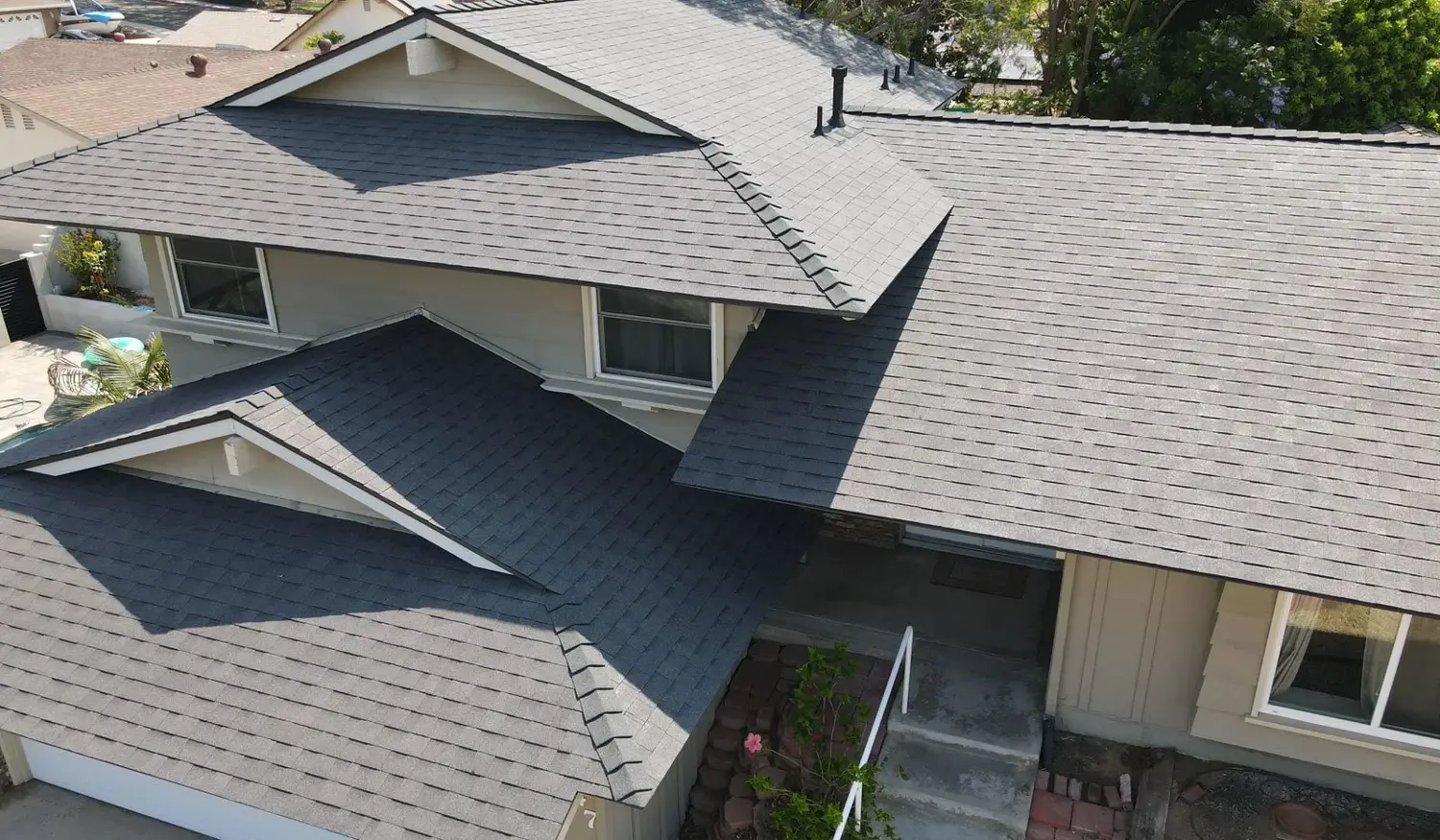
What to Do After a Hailstorm Damages Your Roof
Roof hail damage is common in Texas, and the first few days after a storm decide how smooth the rest goes. Here is what to do, in order, and what to avoid.
Schedule Your Roofing Inspection Today
Fill out the information below and we’ll reach out to complete your estimate as soon as possible!
Roof hail damage in Texas is not a rare event
Hail is part of life on Texas roofs. NOAA's Storm Prediction Center logged 136 hail reports within 10 miles of San Antonio from 2015 through 2024, and 48 of them were 1.75 inches or larger. The largest stone in that record measured 4.5 inches on April 12, 2016. Even around Houston, where hail is less frequent, the same source logged 40 reports in that period, 9 of them golf ball size or bigger.
That matters for one reason: after a hailstorm, many homeowners in the same area need help at the same time. The people who move in order, document well and work with a reputable contractor tend to get clearer answers. The people who wait, or sign the first paper someone hands them, tend to have a harder time.
Hail also tends to come with heavy rain and wind. A roof that lost shingles or had a vent cracked in the storm can start leaking with the very next front, so the clock starts the day the hail falls, not the day a stain shows up on a ceiling.
Your first 48 hours after the storm
Make sure everyone is safe
Stay away from downed lines and broken glass. Do not climb onto the roof. Wet shingles and hidden damage make it dangerous.
Photograph everything with the date
Take photos and video of hail on the ground, dents on gutters, vents, the AC unit, cars, fences and siding. Put a coin or ruler next to hailstones for scale.
Check for water inside
Look at ceilings, walls around windows and the attic. Note any stain, drip or damp insulation, and photograph it.
Limit further damage
Place buckets, move belongings and, if it is safe, cover broken windows. If water is coming in, call for emergency roof repair so a roofer can tarp or seal the area.
Keep receipts
Save receipts for tarps, materials or temporary repairs. Many policies expect you to prevent further damage, and those costs are part of the record.
Write down the storm details
Date, approximate time and what you saw. This helps when you talk to a roofer and your insurance company, especially if more storms follow in the same season.
Get the roof inspected before you decide anything
Hail damage on shingles is often invisible from the ground. Bruises, cracked shingles and broken seals usually need someone on the roof to find them. Our guide on how to identify hail damage on asphalt shingles covers what you can check yourself, but a full inspection is what tells you the real condition.
A good inspection covers every slope, the flashing, vents, pipe boots, skylights and gutters, and the attic if there are signs of water. GemSco documents what it finds with photos and gives you a written estimate. With that in hand, you can decide whether the damage needs repair, replacement or nothing at all, and whether it makes sense to call your insurer.
Ask the inspector to walk you through the photos. You should be able to see each damaged area, understand why it counts as damage and know what the estimate proposes for it. If a contractor cannot show you the damage, or the estimate does not match what the photos show, get a second opinion before you sign anything.
How insurance works after hail, in plain terms
Whether hail damage is covered depends on your policy and on the decision of your insurance company. No roofer can promise that a claim will be approved. What a roofer can do is inspect, document the damage and give you an accurate written estimate.
Before you file, read the parts of your policy that matter. Your deductible is what you pay before coverage applies, and some Texas policies have a separate wind and hail deductible written as a percentage of the home's coverage. An actual cash value policy (ACV) pays the depreciated value of the roof, while a replacement cost value policy (RCV) is based on the cost to replace it, often paid in stages. Many policies also set a time limit to report damage, so check yours early.
If you do file, keep a simple file with the date of the storm, your photos, the roofer's written estimate, receipts for temporary repairs and notes from every call with the insurance company. Be present for the adjuster's visit if you can, and ask your roofer to be there too, so both see the same damage. If your claim is denied or the amount looks wrong, there are steps you can take. We cover them in what to do if your roof insurance claim is denied.
What to avoid after a hailstorm
Signing a contract the same day someone knocks on your door. Take the paper, read it and compare.
Anyone who promises a new roof at no cost to you or guarantees what your insurer will approve. Coverage is the insurer's decision, not the roofer's.
Contractors who cannot show they are licensed and insured, or who will not give you a written estimate.
Paying the full amount before the work starts.
Waiting until the next rain to find out whether the roof leaks.
Letting anyone start work before you have a written estimate that describes the scope, the materials and the payment terms.
Repair, replace or wait: how the decision usually goes
Light, localized damage
A few cracked shingles or a damaged vent on a roof in good shape is usually a repair.
Widespread impacts
Bruising across several slopes, broken seals and granule loss on most of the roof usually point to replacement.
Older roof plus hail
An aging roof that also took hail often costs more to patch over time than to replace. See roof repair vs replacement.
No real damage
Sometimes the answer is that the roof is fine. A good inspector tells you that too.
Work with a roofer you can verify
GemSco is family owned, fully licensed and insured, and an elite contractor for Owens Corning and GAF, with 20+ years of experience in residential and commercial roofing. We inspect, document and handle hail damage roof repair and storm damage across Houston, DFW, Austin and San Antonio. Estimates are free, financing is available, and we offer discounts for military, first responders and seniors. Call (844) 980-5506 or request your estimate online.
Frequently Asked Questions
How soon should I get my roof inspected after hail?
As soon as it is safe, ideally within days. Early inspection catches hidden damage before the next rain turns it into a leak, and it gives you dated photos. Many insurance policies also set a time limit to report damage, so check your policy and do not wait for a leak to show up.
Should I call my insurance company or a roofer first?
Many homeowners get a roof inspection first so they know whether there is real damage and how much. If the damage is minor and below your deductible, filing may not make sense. If it is significant, you call your insurer with photos and a written estimate. Coverage still depends on your policy.
Can I do a temporary repair before the adjuster comes?
Yes, and many policies expect you to prevent further damage. Photograph the damage first, then tarp or seal the area. Keep every receipt. Avoid permanent repairs until the damage is documented, so there is a clear record of what the storm did.
Does GemSco guarantee my claim will be approved?
No. No roofer can. Approval and the amount depend on your policy and on your insurance company's decision. GemSco inspects the roof, documents the damage with photos and gives you a written estimate so you have accurate information when you talk to your insurer.
We’re Here to Help!
GemSco Roofing & Solar serves Houston, DFW, Austin, San Antonio and surrounding areas. We’re family owned and fully licensed and insured.