

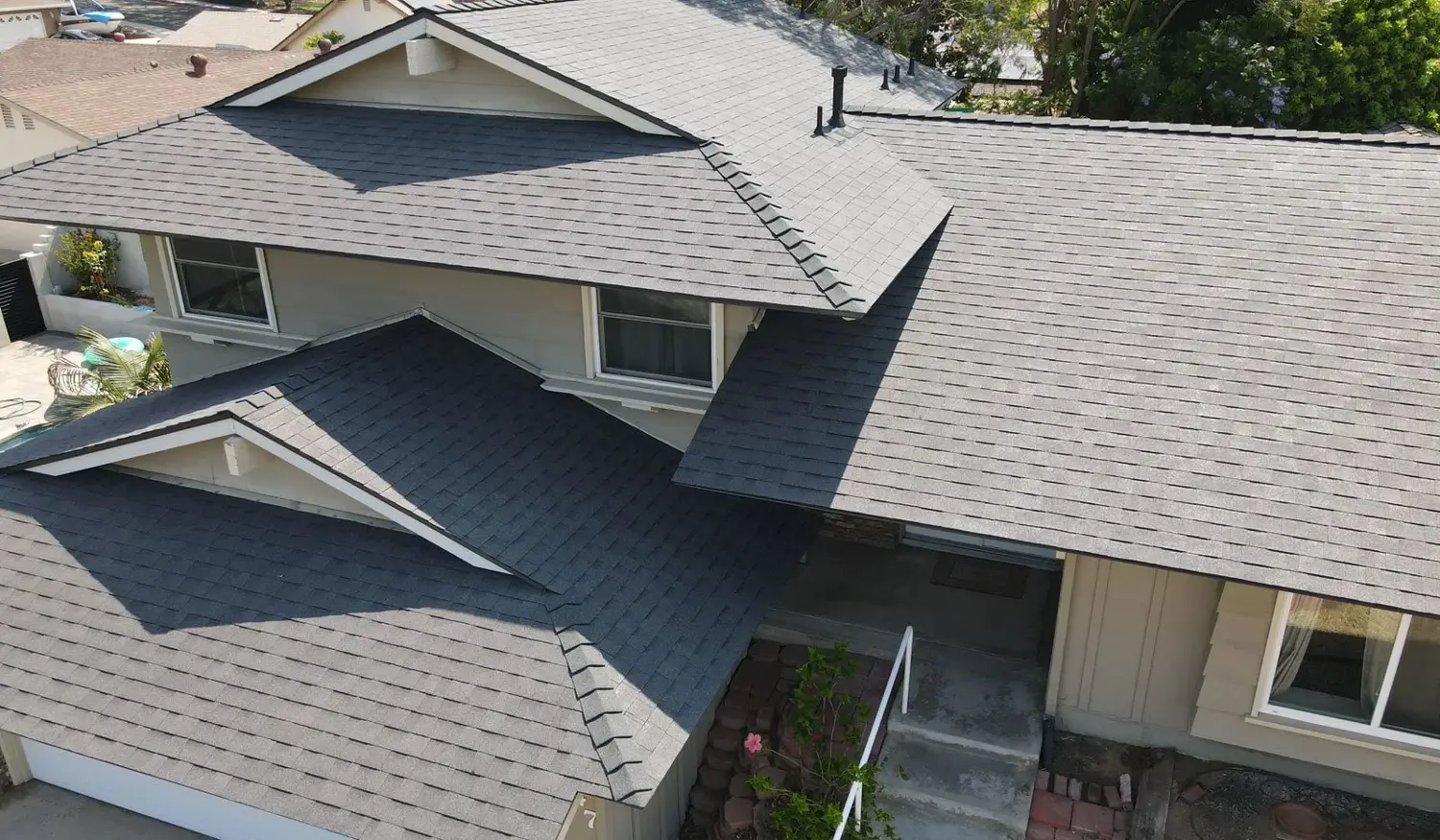
What Photos Should You Take After Roof Storm Damage?
Good photos taken in the first days after a storm are the cheapest, most useful record you will ever have of your roof. Here is what to shoot, how to shoot it, and how to keep it organized.
Schedule Your Roofing Inspection Today
Fill out the information below and we’ll reach out to complete your estimate as soon as possible!
Why photos matter so much
Storm damage changes over time. Hailstones melt within hours. Debris gets cleaned up. Water stains spread and dry. A leak that started as a drip becomes a ceiling repair. Photos freeze the moment, and they show what the storm did before anything else happened.
They help three people. Your roofer uses them to plan the inspection. Your insurer, if you file, uses them alongside the adjuster's visit. And you use them to remember what happened when the details blur weeks later. Whether any damage is covered depends on your policy and on your insurance company's decision, but clear photos make every conversation easier.
Photos also protect you from honest confusion. Weeks after a storm, it is easy to forget whether a ceiling stain was there before, or which side of the house took the hail. A dated set of images settles those questions in seconds, without relying on anyone's memory.
In hail-prone areas this is worth having down as a routine. NOAA's Storm Prediction Center logged 114 hail reports within 10 miles of Denton from 2015 through 2024, 38 of them 1.75 inches or larger, with the largest at 4.25 inches on March 26, 2017. Around Fort Worth the same source logged 143 reports in that period.
Safety first: what not to do for a photo
Do not climb onto the roof, especially when it is wet. Ground, window and attic shots are enough for you.
Do not go near downed power lines, even to photograph them. Shoot from a distance or not at all.
Do not stand under sagging ceilings to get a closer shot.
Do not go outside while there is still lightning in the area.
Do not walk through standing water near outlets, appliances or extension cords to reach a wet room.
The shot list, from outside in
Hail on the ground
If hail fell, photograph stones next to a coin, ruler or tape measure as soon as it is safe. They melt quickly, so this shot goes first.
Wide shots of the house
Each side of the house from the street or yard, showing the roof line. These place every close-up in context.
Soft metals and collateral
Dents on gutters, downspouts, roof vents, AC unit fins, mailbox, window screens and vehicles. Shoot with light hitting at an angle so dents show.
Debris and fallen pieces
Shingles, ridge caps, flashing and branches in the yard, where they landed, before you pick them up.
The roof from the ground
Zoom in on missing shingles, lifted edges, anything lying on the roof and damaged vents, from a safe spot on the ground or an upstairs window.
Attic and interior
Wet insulation, drips, water trails on rafters, daylight through the deck, ceiling stains, wet floors and damaged belongings.
How to make the photos useful
Show scale
Put a coin, ruler or tape measure next to hail, dents and stains so size is clear.
Wide, then close
Take a wide photo that shows where you are, then the close-up. A close-up alone could be anywhere.
Keep the date
Use your phone's camera so the date and location are saved with the file. Do not edit or filter the images.
Add a short video
A slow walk around the house and through affected rooms, narrating what you see, ties the photos together.
Shoot more than you think
Photos are free. A missing angle is hard to recreate once things are cleaned up or repaired.
Organize and protect the files
Make a folder for the storm with the date in its name, and copy every photo and video into it without editing. Back it up somewhere other than your phone, such as a cloud folder or a computer. A short note with the storm date, time and what you saw helps later.
Name files or subfolders by area, such as front elevation, gutters, attic or living room ceiling, so anyone reviewing them can follow along without asking. If you take more photos over the following days as stains spread or new damage appears, keep them in the same folder and note the date. That sequence shows how the damage developed.
Keep receipts for anything you spend to prevent further damage, such as tarps, buckets or a temporary repair, and photograph damaged belongings before you throw them away. If you file a claim, ask your insurer what they want you to keep. Our article on what to do after a hailstorm damages your roof covers the full sequence of the first days.
If you took photos of your roof before the storm, put them in the same folder. A before and after comparison is one of the clearest ways to show what changed. Our guide on how to protect your roof before severe weather explains how to build that baseline for next time.
Your photos vs a roofer's inspection photos
Your photos record what you could safely see. A roofer's inspection fills in the rest: close-ups of each slope, marked impacts, cracked boots and flashing, bruised shingles found by touch and the condition of the deck from the attic. The two sets work together. Yours show the storm and its immediate aftermath. The roofer's show the condition of the roof itself.
Share your folder with the roofer before the visit if you can. Knowing which side took the hail, where shingles landed and where water showed up inside tells the inspector where to look first, and makes it easier to connect what is on the roof with what happened inside the house.
At GemSco, the inspection ends with photos of what we found and a written estimate. If you file, both your photos and ours are part of what you bring to your insurer. Our page on roof inspections for insurance claims explains how that fits with the adjuster's visit.
GemSco is a family owned, fully licensed and insured roofing company and an elite contractor for Owens Corning and GAF, with more than 20 years of experience. We handle storm damage across DFW, Houston, Austin and San Antonio. Request a free estimate or call (844) 980-5506.
Frequently Asked Questions
How soon after a storm should I take photos?
As soon as it is safe, ideally the same day. Hail melts within hours, debris gets moved and water damage keeps changing. Start with anything that will disappear, like hail on the ground, then work through the outside, the attic and the rooms. Take more photos over the following days if things change.
Should I climb on the roof to take photos?
No. A wet or damaged roof is dangerous, and falls are a real risk. You can capture what matters from the ground with zoom, from upstairs windows and from the attic. A roofer with safety equipment will photograph the roof surface during the inspection.
Do I need photos if I am not filing a claim?
They are still worth taking. Photos help your roofer understand what happened, give you a dated record of the roof's condition and help if damage shows up later. If you change your mind about filing, ask your insurer about any reporting deadlines in your policy.
Can I clean up before taking photos?
Take photos first, then clean up. If something must be moved for safety or to stop more damage, photograph it before you move it and keep the damaged pieces if you can, until your insurer tells you otherwise. Keep receipts for any emergency supplies or temporary repairs.
We’re Here to Help!
GemSco Roofing & Solar serves Houston, DFW, Austin, San Antonio and surrounding areas. We’re family owned and fully licensed and insured.