

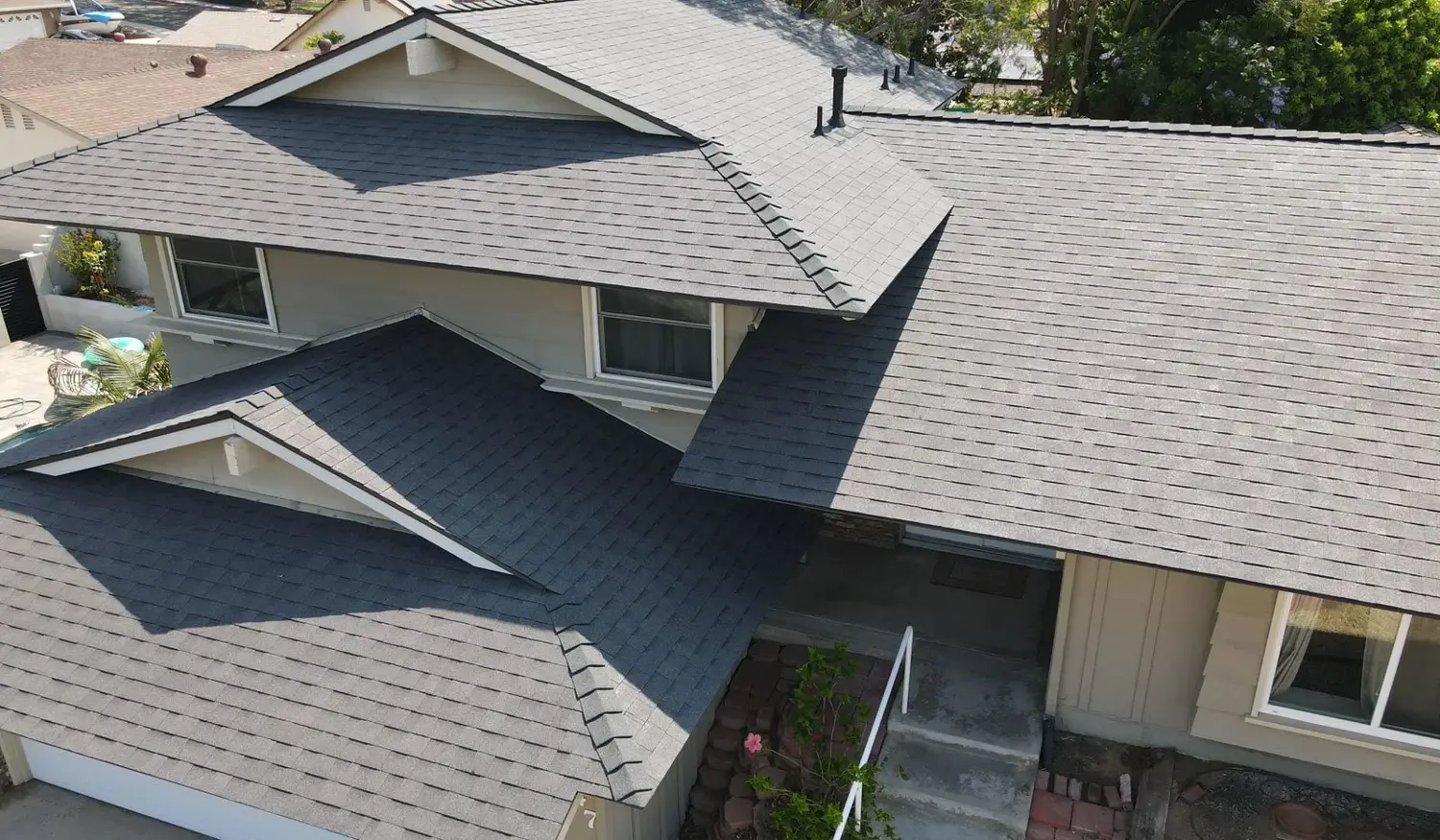
How to Compare Roofing Estimates After Storm Damage
After a storm you may end up with three estimates that look nothing alike. The lowest total is not always the cheapest job, and the highest is not always the best. Here is how to compare them line by line.
Schedule Your Roofing Inspection Today
Fill out the information below and we’ll reach out to complete your estimate as soon as possible!
Compare the scope, not the bottom line
Two estimates can describe two different jobs. One may include full tear-off, new underlayment, flashing and vents. Another may reuse old flashing, skip ventilation and leave decking repairs as a surprise extra. On paper the second one looks cheaper. On the roof it is a different product.
The first step is to make the estimates comparable. Put them side by side and check whether each one covers the same work, with the same materials, on the same areas of the roof. Only then does the total mean something.
If you are comparing estimates for an insurance claim, remember that the estimate is your contractor's view of the work. What gets covered depends on your policy and on your insurer's decision.
A simple way to start is a one page table. List each company across the top and each part of the job down the side: tear-off, decking, underlayment, flashing, ventilation, shingles, cleanup and warranty. Fill it in from the written estimates. Blank cells are your questions for the next phone call.
A complete estimate reads like a plan for the job. It names the company, the address of the property and the date of the inspection. It lists the roof areas being replaced or repaired, the measured size, and every component going on the roof.
It also says what happens to the old roof, how cleanup is handled and what is not included. If photos were taken during the inspection, ask for them. Photos show you the damage the estimate is based on, and they help you compare what each contractor actually saw.
An estimate written on the back of a business card, or a single number with the word roof next to it, is not something you can compare. Ask for a detailed version, and if a company will not provide one, move on.
The line items that make the difference
Tear-off and disposal
Does the estimate remove all existing layers down to the deck, and does it include hauling away the debris?
Decking
How is damaged or rotten decking handled? Look for how it is priced and who decides when it is replaced.
Underlayment
Which type is used, and where. Ask whether ice and water protection goes in valleys and around penetrations.
Flashing
New flashing at walls, chimneys and valleys, or reused? Old flashing is a common source of later leaks.
Ventilation
Are intake and exhaust vents included and balanced? Poor ventilation shortens shingle life. See roof ventilation.
Shingle line and accessories
The brand and product line, starter strips, ridge caps and drip edge, named specifically.
A checklist for comparing estimates
Ask for everything in writing
A verbal number is not an estimate. Each company should give you a written document with the scope listed.
Line up the materials
Write down the shingle brand and line, the underlayment and the flashing for each estimate.
Check the measurements
Big differences in roof size between estimates mean someone measured wrong. Ask how they measured.
Mark what is excluded
Look for words like allowance, not included or extra. These are where surprises live.
Compare warranties
Ask what the manufacturer warranty covers and what the contractor covers on workmanship, in writing.
Confirm license and insurance
Ask for proof of insurance. Our guide to a licensed and insured roofing contractor in Texas explains what to check.
Why the cheapest estimate can cost more
A low estimate often comes from leaving work out, using lower grade materials or planning to add charges once the old roof is off. Decking, flashing and ventilation are the usual suspects. None of them show up as a problem on day one, but each can show up as a leak or a change order later.
On the other side, a high estimate is not proof of quality. Ask what is driving the price. Sometimes it is a better shingle line or more complete flashing. Sometimes it is just a storm rush. The written scope tells you which.
If an estimate mentions waiving or covering your deductible, set it aside. In Texas it is illegal for a contractor to offer to waive, rebate or absorb your deductible, according to the Texas Department of Insurance. Our article on how a roof insurance deductible works explains why.
Repair or replacement: when estimates disagree
One says repair, one says replace
Ask each contractor to show you the photos behind their recommendation. The damage either supports it or it does not.
Age of the roof
An older roof with scattered damage may be closer to replacement than a newer roof with the same damage.
Matching shingles
If the shingle line is discontinued, a repair may not match. Ask how each contractor would handle it.
Read the full comparison
Our guide to roof repair vs replacement walks through the decision step by step.
Questions to ask every contractor
Is this estimate for a full tear-off or an overlay?
How do you handle damaged decking, and how will I know before it is replaced?
Is the flashing new or reused?
Which shingle line are you quoting, and is it the same one on the contract?
Who cleans up, and how do you handle nails in the yard?
Will you document the damage with photos I can keep?
Using estimates with an insurance claim
If you are filing a claim, your insurer will produce its own estimate of the covered work. It may list items differently from your contractor. Compare the two the same way: scope first, then materials, then totals. Differences are normal and are part of the conversation with your adjuster.
A roofing contractor cannot act as your public adjuster, so GemSco does not negotiate the claim for you. We do document the damage with photos and give you a written estimate, which you can share with your insurer. If the claim amount looks low, see what to do when your roof insurance claim is underpaid. For what a good estimate should list, see what to include in a roof replacement estimate.
Taking an extra day or two to compare estimates rarely hurts a storm damaged roof that is already protected from rain. Rushing into the wrong contract can cost far more than the wait.
GemSco is a family owned, fully licensed and insured roofing company and an elite contractor for Owens Corning and GAF, with more than 20 years of experience on Texas roofs. Every estimate is in writing, with the damage documented in photos. Request one through our roof replacement page or call (844) 980-5506. Estimates are free.
Frequently Asked Questions
How many roofing estimates should I get?
Many homeowners get two or three. More than that can make the comparison harder without adding much. What matters is that each estimate is written, detailed and covers the same scope, so you can compare like with like instead of guessing which one left something out.
Why are roofing estimates so different after a storm?
Contractors may measure differently, quote different materials, include or exclude decking, flashing and ventilation, or price in storm demand. Lining up the scope and materials usually explains most of the gap. If it does not, ask each contractor to walk you through their numbers.
Should my contractor's estimate match the insurance estimate?
Not always. They are made by different people for different purposes, and they may list items differently. Compare scope and materials first. If the insurer's estimate leaves out work you believe is needed, ask your insurer about it with your photos and written estimate in hand.
Is a free estimate really free?
At GemSco, yes. We inspect the roof, document the damage with photos and give you a written estimate at no cost and with no obligation. If another company charges for an estimate or ties it to signing a contract, ask exactly what you are agreeing to.
We’re Here to Help!
GemSco Roofing & Solar serves Houston, DFW, Austin, San Antonio and surrounding areas. We’re family owned and fully licensed and insured.