

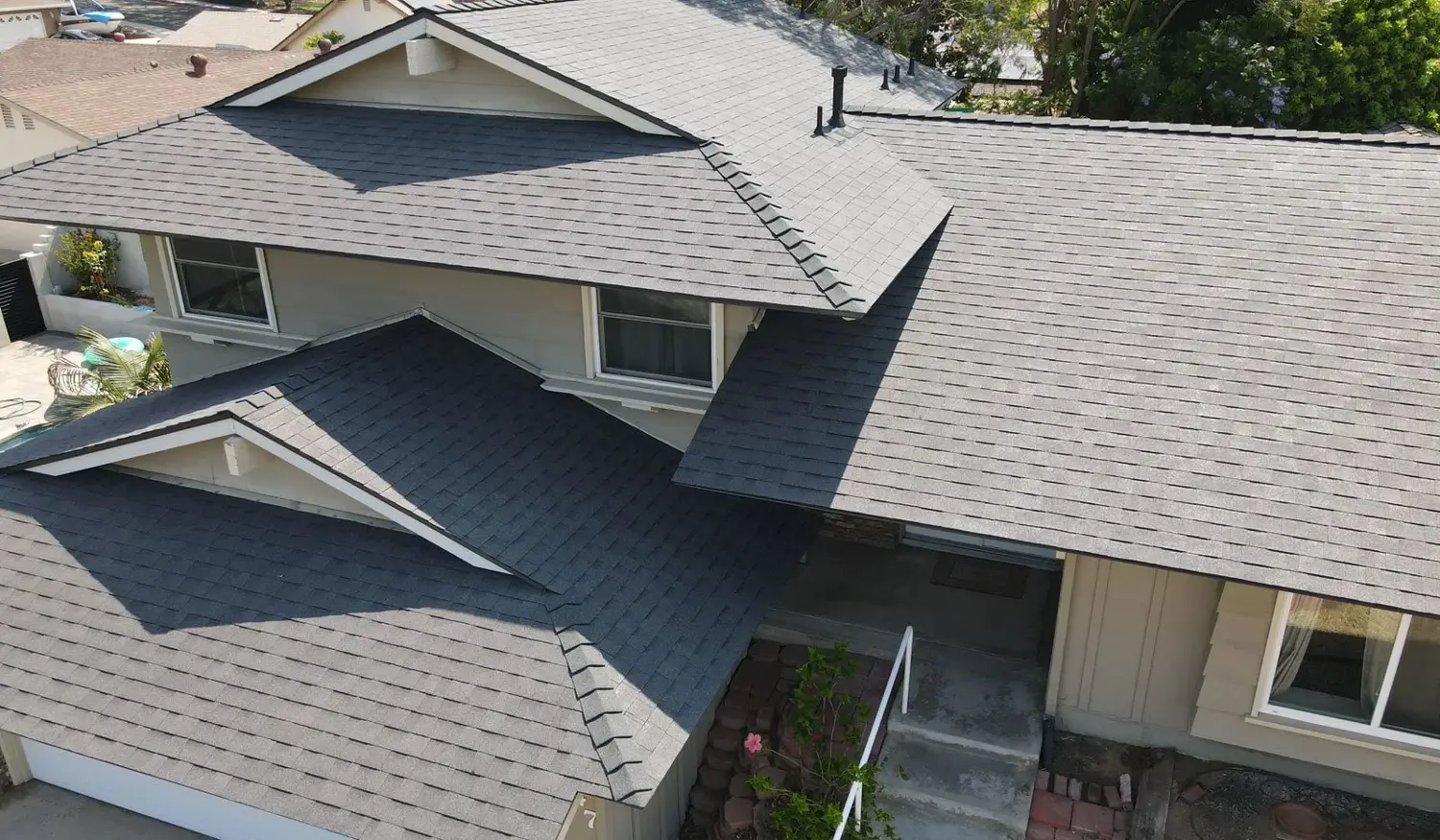
What Happens During a Professional Roof Replacement?
A roof replacement is loud, fast and a little messy, and most of the important work happens where you cannot see it. Here is the roof replacement process from the first inspection to the last nail picked up from the yard.
Schedule Your Roofing Inspection Today
Fill out the information below and we’ll reach out to complete your estimate as soon as possible!
It starts before anyone climbs a ladder with shingles
A professional replacement begins with an inspection, not a sales pitch. The roofer walks every slope, checks flashing, vents and pipe boots, looks at the gutters and, when possible, goes into the attic to see the underside of the deck. The goal is to know what the new roof is going on top of, not only what the old one looks like.
That inspection becomes a written estimate. It should name the materials by brand and product line, say whether the old roof comes off completely, and explain how rotten decking will be handled if it shows up. Our guide on what a roof replacement estimate should include walks through it line by line.
Then come the decisions that are yours: material, color, ventilation changes and a start date. If something on your roof needs to come off first, like solar panels or a satellite dish, that gets planned now, not on install day.
If the roof was damaged in a storm and you are filing a claim, that conversation with your insurance company usually comes before the contract. Coverage depends on your policy and your insurer's decision, and once the old roof is gone, so is the evidence. GemSco documents the damage with photos and gives you a written estimate before any tear-off.
The install, step by step
Protect the property
The crew covers landscaping, AC units and patios, places a dumpster or trailer close to the house and sets up ladders away from doors you use.
Tear off the old roof
Shingles, underlayment and old flashing come off down to the wood deck. This is the loudest part of the job and the one that creates most of the debris.
Inspect and repair the deck
With the deck exposed, the crew looks for soft, rotten or delaminated boards and replaces them. This is the step no one can fully price in advance.
Dry in the roof
Drip edge goes on the edges, a leak barrier goes in valleys and around penetrations, and underlayment covers the rest of the deck so the house is protected from rain.
Flashing and ventilation
New flashing goes in at walls, chimneys and valleys, along with pipe boots and any intake or ridge vents in the plan.
Shingles, ridge and cleanup
Starter strips, field shingles and ridge caps go on in the pattern the manufacturer specifies. Then the crew removes debris and sweeps the yard with magnets for nails.
Why the deck is the moment of truth
The deck is the plywood or board layer the whole roof is nailed to. If water has been getting under the shingles for years, the deck is where it shows. Soft spots, dark stains and wood that will not hold a nail all have to be replaced, because new shingles nailed into bad wood will not stay put.
This matters more on older houses. Half of the homes in Houston were built before 1982, and in Dallas before 1981, according to the U.S. Census Bureau's American Community Survey 2020-2024. Many of those decks have been under two or three roofs already. A good estimate says up front how replacement wood will be priced, so a surprise on the roof does not become a surprise on the invoice.
Ask the crew to show you, or send photos of, any decking they replace. It is your house, and it is a reasonable request.
Older decks bring another question: board sheathing with gaps between the boards. Some shingle manufacturers require a solid deck, so gapped boards may need to be covered with new sheathing before the roof goes on. A good inspection flags this before the estimate is signed, not on the morning of the job.
What you will notice from inside the house
Noise and vibration
Tear-off and nailing are loud. Pictures on walls that share the roofline can shift, so take them down the day before.
Dust in the attic
Old granules and debris can fall through gaps in the deck. Cover anything stored in the attic or move it out.
Limited driveway use
The dumpster and material delivery usually take part of the driveway or yard while the job is underway.
Short breaks in service
If a dish, antenna or panel has to be removed, that service can be down until it is reinstalled.
People on ladders
Keep kids and pets away from the work area. Falling debris is the main safety risk on the ground.
What a professional does differently
Most roofs look the same from the street on the day they are finished. The difference is in details that only show years later: whether the shingles were nailed in the right zone, whether flashing was replaced instead of reused, whether the attic can breathe, whether the valleys were lined before shingles went over them.
Ventilation is a good example. A new roof on an attic that cannot release heat ages faster, especially under the Texas sun. Ask whether the plan includes intake and exhaust vents that match the size of the attic. Our roof ventilation page explains how that balance works.
Manufacturer standards matter too. Shingle makers publish installation instructions, and their warranties often depend on following them. GemSco is an elite contractor for Owens Corning and GAF, which means we install to the standards those manufacturers set for their credentialed contractors.
What you should have when the job is done
A walkthrough with the crew lead or project manager, on the ground and, if you want, with photos of the roof.
Photos of any decking that was replaced and of the finished roof.
The final invoice that matches the written estimate, plus any change you approved in writing.
Manufacturer warranty information for the products installed, and how it gets registered.
A yard and driveway that have been cleaned and swept for nails.
A contact name and phone number for any question that comes up after the first heavy rain.
Plan your replacement with GemSco
Knowing the steps makes the day easier. If you have not started yet, read 7 things to do before replacing your roof, and if timing is your main question, see how long a roof replacement takes in Texas.
GemSco is family owned, fully licensed and insured, with more than 20 years of experience on residential and commercial roofs across Houston, DFW, Austin and San Antonio. Start with a free estimate through our roof replacement page or call (844) 980-5506.
Frequently Asked Questions
Do I need to be home during a roof replacement?
Not usually for the whole day. It helps to be there at the start to confirm the plan, unlock the gate and point out anything fragile, and at the end for the walkthrough. Make sure the crew can reach an outdoor outlet and has a way to contact you if they find damaged decking.
Do roofers replace the decking every time?
No. Decking is only replaced where it is damaged, soft or rotten. The amount is only known once the old roof is off. A good written estimate explains how replacement wood is priced so you know what to expect before the job starts, and photos show you what was changed.
Is old flashing reused on a new roof?
It depends on its condition and the contractor. Reusing worn flashing on a new roof is a common source of leaks later. Ask the estimate to say clearly which flashing, pipe boots and vents are being replaced and which, if any, are staying.
What if it rains in the middle of the job?
Crews usually tear off only as much roof as they can dry in the same day, and they cover open areas with underlayment or tarps if weather moves in. Ask your contractor how they handle sudden rain before work starts.
We’re Here to Help!
GemSco Roofing & Solar serves Houston, DFW, Austin, San Antonio and surrounding areas. We’re family owned and fully licensed and insured.